Opening the black box: visualizing what an LSTM sees
A model that predicts well but cannot be questioned is a model you cannot trust. Building VixLSTM was about asking it questions.
LSTMs are good at sequences and terrible at explaining themselves. For multivariate time series — sensors, vitals, market signals — a model can be accurate and still be a liability if no one can say why it decided what it did. VixLSTM is an attempt to turn that opacity into something an analyst can interrogate.
Attribution is not enough
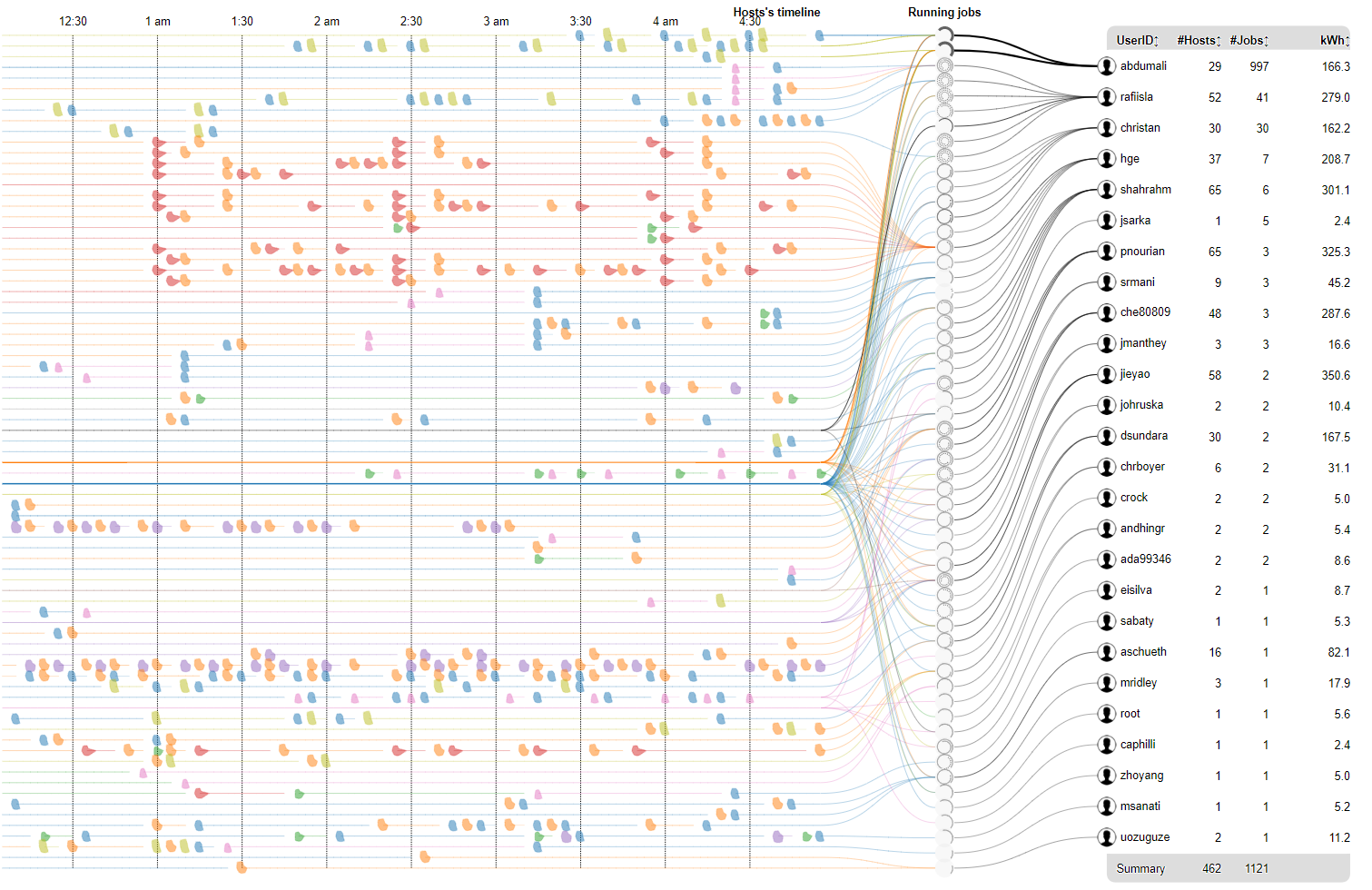
A single saliency score — “feature X mattered 0.7” — looks rigorous and explains almost nothing. The honest question is when and under what conditions. So VixLSTM lets you brush a time range, isolate a feature, and watch how the model’s internal attention shifts. Explanation becomes a conversation, not a verdict.
Design for doubt
- →Show uncertainty, not just the answer — a confident wrong explanation is worse than none.
- →Let the user disagree — every claim the view makes should be checkable against the raw sequence.
- →Keep the model honest — if the saliency makes no domain sense, that is a finding, not a glitch.
Explainability is not a feature you bolt on. It is a promise that the model’s reasoning can be checked by a human who will be held responsible.